
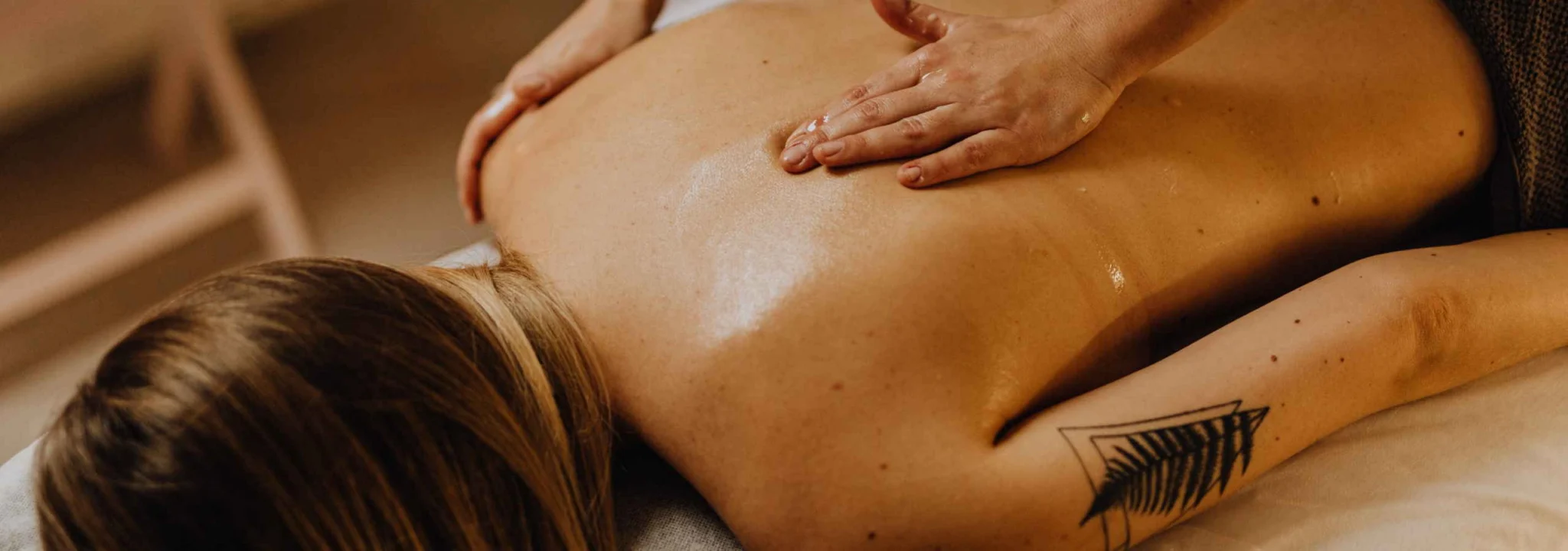
Swedish
Therapeutic Swedish Massage | Deep Relaxation and Muscle Relief
Swedish massage is the cornerstone of modern Western somatic therapy, tracing its roots to the early 19th-century movement programs designed by Pehr Henrik Ling, which were later refined with precise medical terms by Johan Georg Mezger. This classic therapy is designed to promote relaxation, reduce muscular tension, and encourage systemic homeostasis. The treatment utilizes a series of continuous, rhythmic hand movements that manipulate the superficial layers of muscle tissue. By using a light-to-medium pressure range, the therapy helps ease mental fatigue and physical stiffness without causing the discomfort sometimes associated with deeper tissue work. It is an approachable, comforting therapy that helps calm the central nervous system, improve self-awareness, and restore a sense of overall physical and mental balance.
How it works
The clinical effectiveness of a Swedish massage relies on a deliberate sequence of five classic manual strokes, each designed to achieve a specific therapeutic effect. The therapist uses professional lubricants, such as hypoallergenic plant oils or specialized creams, to reduce surface friction and allow for smooth, continuous strokes. These techniques are applied in the direction of venous blood flow, directing circulation back toward the heart to support the body’s cardiovascular and lymphatic systems. Throughout the session, the therapist transitions smoothly between these stroke styles (effleurage, petrissage, friction, tapotement, vibration) to maintain a relaxing rhythm, adjusting the pressure to match the client’s physical comfort.
Benefits
By mechanically manipulating the soft tissues and directing blood flow toward the heart, the therapy significantly enhances systemic circulation. This increased blood flow accelerates the delivery of oxygen and vital nutrients to deprived muscle cells while promoting the efficient elimination of metabolic waste products, such as lactic acid and carbon dioxide. The lymphatic system is also physically stimulated, boosting immune function. At the neurological level, Swedish massage induces a profound shift in endocrine balance, triggering a marked reduction in cortisol and adrenaline while elevating serotonin and dopamine. Furthermore, the targeted mechanical stretching of muscle fibers and fascia reduces overall muscle tension, enhances joint flexibility, and expands range of motion.
When it is ideal
This modality is highly recommended for individuals seeking a gentle, restorative escape from the demands of modern life. It serves as an excellent starting point for first-time clients who may feel apprehensive about the physical intensity or deep pressure of other treatments. It is also an ideal therapeutic choice for individuals experiencing mild-to-moderate daily stress, psychological burnout, or tension headaches caused by long hours of desk work. It is particularly well-suited for older adults seeking safe joint mobilization, individuals with sensitive nervous systems, or anyone recovering from periods of physical fatigue.
Preparation
Maintaining proper hydration is essential; drinking adequate water before the session prepares the muscle tissues for manipulation and aids in post-treatment metabolic clearance. It is advisable to avoid consuming heavy meals for at least two hours prior to the appointment. Arriving at the facility early allows the client to transition into a calm state of mind. Wearing loose, comfortable clothing is highly recommended. Most importantly, open communication with the therapist is vital; clients should clearly state their pressure preferences, comfort levels, and any sensitive areas before the session begins.
Not recommended
Swedish massage is an exceptionally safe therapy, but there are contraindications. It is absolutely contraindicated for acute infectious diseases, active fever, severe systemic infections, severe unmanaged cardiovascular conditions, or deep vein thrombosis (DVT). Local contraindications include open wounds, active burns, severe lacerations, active skin infections, severe varicose veins, acute phlebitis, or localized vascular fragility. It should also be avoided or modified over areas with recent surgical procedures, acute joint sprains, or bone fractures.