
Four Hands
Four Hands Massage | Sensory Immersion and Double Recovery
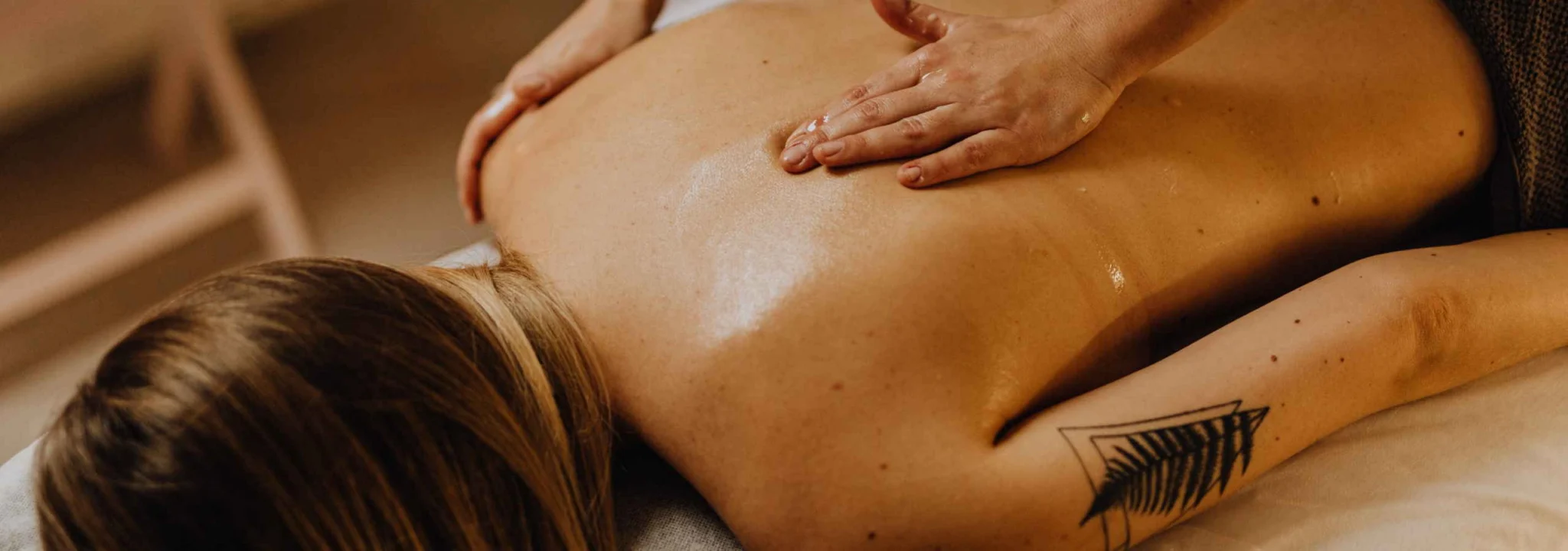
Inspired by the consecration rituals of ancient Indian Ayurvedic tradition, Four Hands Massage redefines the boundaries of relaxation and neurosedation. This is a true choreographic work of art where two clinicians operate in unison over your body. The magic underlying this technique lies in a fascinating neurological principle: confronted with four simultaneous tactile points of rhythmic pressure, the human brain becomes mathematically incapable of mapping and predicting the movements. Unable to anticipate the touch, the brain is forced to surrender conscious vigilance, plunging the client into a deep, restorative, and unforgettable meditative trance.
How it works
In the sanctuary of the treatment room, two specialists begin the therapy silently and hyper-coordinated. Movements proceed through a mirrored system (where lateral symmetry is perfect, working both arms or legs simultaneously) or a harmonic asynchronous system (while neck tension is drained, leg muscles undergo deep mechanical release). Using aromatic oils and unparalleled fluidity, the biomechanical spectrum covered equals one hundred and twenty minutes of muscle compression in a fraction of the time.
Benefits
The coordinated stimulation of peripheral circulatory pathways forces a formidable increase in venous return. This compels the system to pump highly oxygenated, clean blood to stagnant capillary networks. This accelerated vascularization rapidly eradicates stress metabolites from the bloodstream, promoting massive cellular detoxification.
Simultaneously, the deep saturation of nerve terminals eliminates the alert state of brain waves, treating severe anxiety and facilitating the regenerative self-healing process of damaged muscle tissue.
When it is ideal
It is the ultimate anti-fatigue shock treatment. Highly recommended for executives and individuals chronically immersed in high-pressure, decision-making environments, patients demonstrating great resistance to ‘switching off’ the mind, or simply those who need comprehensive myofascial rehabilitation but face a scarcity of time.
Preparation
The success of the session intrinsically depends on your mental surrender. The client must be prepared for an exercise in cognitive detachment: do not try to guess the trajectory of the therapists’ hands, close your eyes, focus purely on deep breathing, and abdicate any remnant of physical control, letting yourself be carried away by the choreography.
Not recommended
In addition to the exclusion protocol of common manual therapies (transmissible skin infections, critical cardiovascular decompensation, and thrombosis), this specific model finds primary restriction in patients affected by tactile hypersensitivity neurological disorders or severe panic disorders, where the excess of simultaneous nerve stimuli can be processed as overwhelming.